#icesheets

5 posts · Last used 5d

Larsen et al investigate the glacial history of western Norway from a well preserved sedimentary section. They found that there was a major glacial event in MIS 5d (~110 ka). This evidence comes from raised marine deposits dating to MIS 5c using AAR ratios from shells. There is evidence of 5 advances to the Norwegian coast during the last glacial cycle, including MIS 5d, 4, 3 (twice), and the LGM. As of yet, there is no evidence of an advance in MIS 5b in this part of Norway, although the climatic conditions should have allowed for it. #ClimateChange #IceSheets #Norway

6
0
7
0
New piece on the blog on the #IMBIE paper that has just come out. How healthy are the ice sheets? What is driving their mass change and what do we know now after a half a century of observations by satellites? #iceSheets #SeaLevelRise #ClimateChange #ClimateImpacts #EO #SatelliteData Half a century of ice loss: the new IMBIE dataset
3
3
16
0
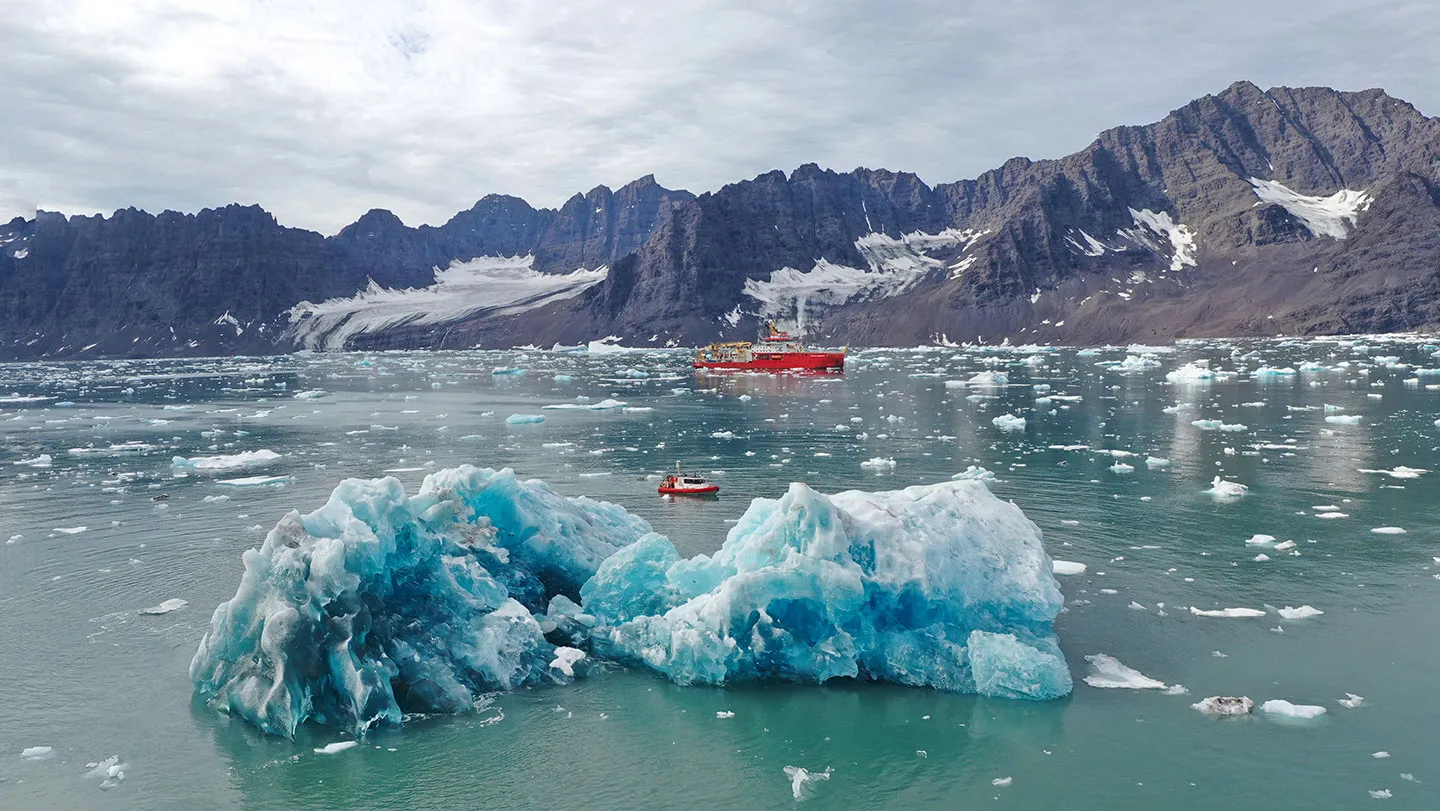
A robot swarm is on a mission to map #Greenland’s perilous #icesheets The fleet of drones, subs and sensors will map ice melt to forecast #climate #tippingpoints Data from expedition funded by #UK’s secretive new inventions agency, will feed into climate models. Idea is to forecast when #ice melt will tip climate-regulating ocean currents into shutdown, and try to develop early warning system that would let humanity know when #glaciers are changing https://www.sciencenews.org/article/robot-mission-map-greenland-ice-climate https://archive.ph/OaxnC
2
1
3
0
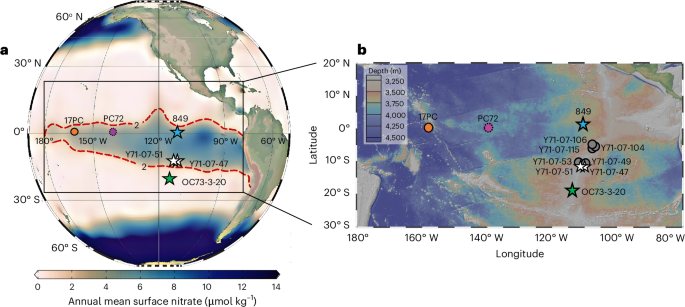
How is this for a feedback loop? Ice sheets build up during a glaciation lowering global sea level → reduced water load leads to increased mid ocean ridge volcanism after a 10-20 kyr lag → volcanism releases iron in the ocean → iron causes plankton blooms → atmospheric CO₂ goes down → ice sheets build up #ClimateChange #IceSheets #SeaLevel
18
2
14
0