#Children
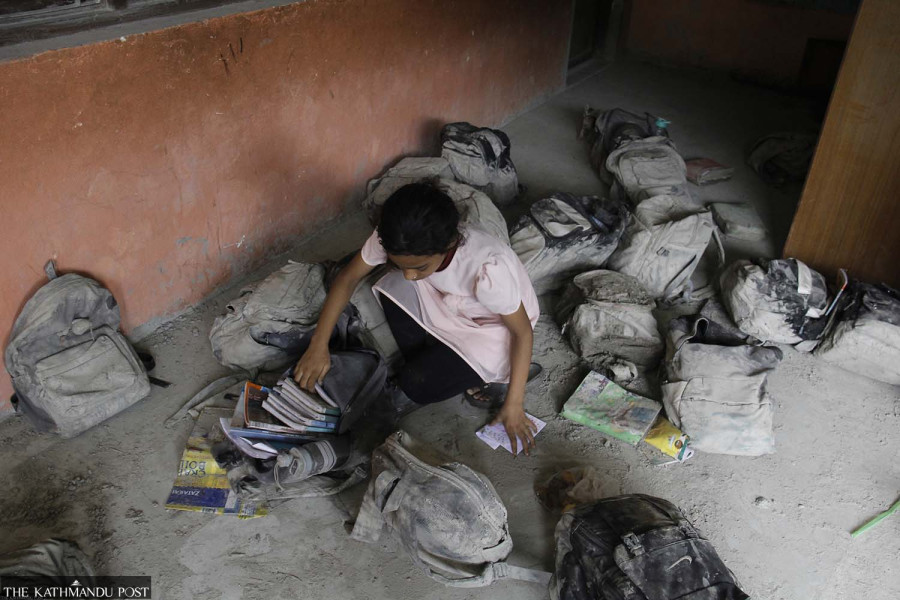
Climate-related disasters not only come uninvited, but they also bring a cascade of other challenges with them. Children can lose access to safe drinking water, healthcare and shelter, leaving them vulnerable at a time when they need protection and security the most. Food shortages and poor nutrition can lead to malnutrition and affect their health, growth and ability to learn, with consequences that can last much longer than the disaster itself
https://kathmandupost.com/columns/2026/11/05/how-climate-change-is-reshaping-the-way-children-grow-up
#ClimateChang
#climatechang
3 posts · Last used 2d
The global equality organization has found that the richest 0.1 percent of the world’s population are heavily invested in disaster preparedness, recovery and reconstruction — a market that is projected to grow from US$70 billion to US$92 billion a year by 2029.
This gives the planet’s wealthiest and most powerful people a “double dividend” from the climate crisis and, more alarmingly, an incentive to delay or disrupt action to solve the problem
https://www.taipeitimes.com/News/world/archives/2026/10/28/2003866763
#ClimateChang #climate
Most businesses can now map their physical climate exposures. Far fewer, however, have a plan they can present to their insurer. That gap is increasingly what separates the companies that hold on to affordable cover from those that do not
The biggest challenge is that resilience creates value over long time horizons, while many commercial decisions are still made around annual budgeting and insurance cycles
https://www.insurancebusinessmag.com/us/news/risk-management/climate-risk-is-understood--resilience-plans-still-have-barriers-to-overcome-zurich-says-583807.aspx
#ClimateChang #pollution #ecology #environment #climate
You've seen all posts